
Beach Ready

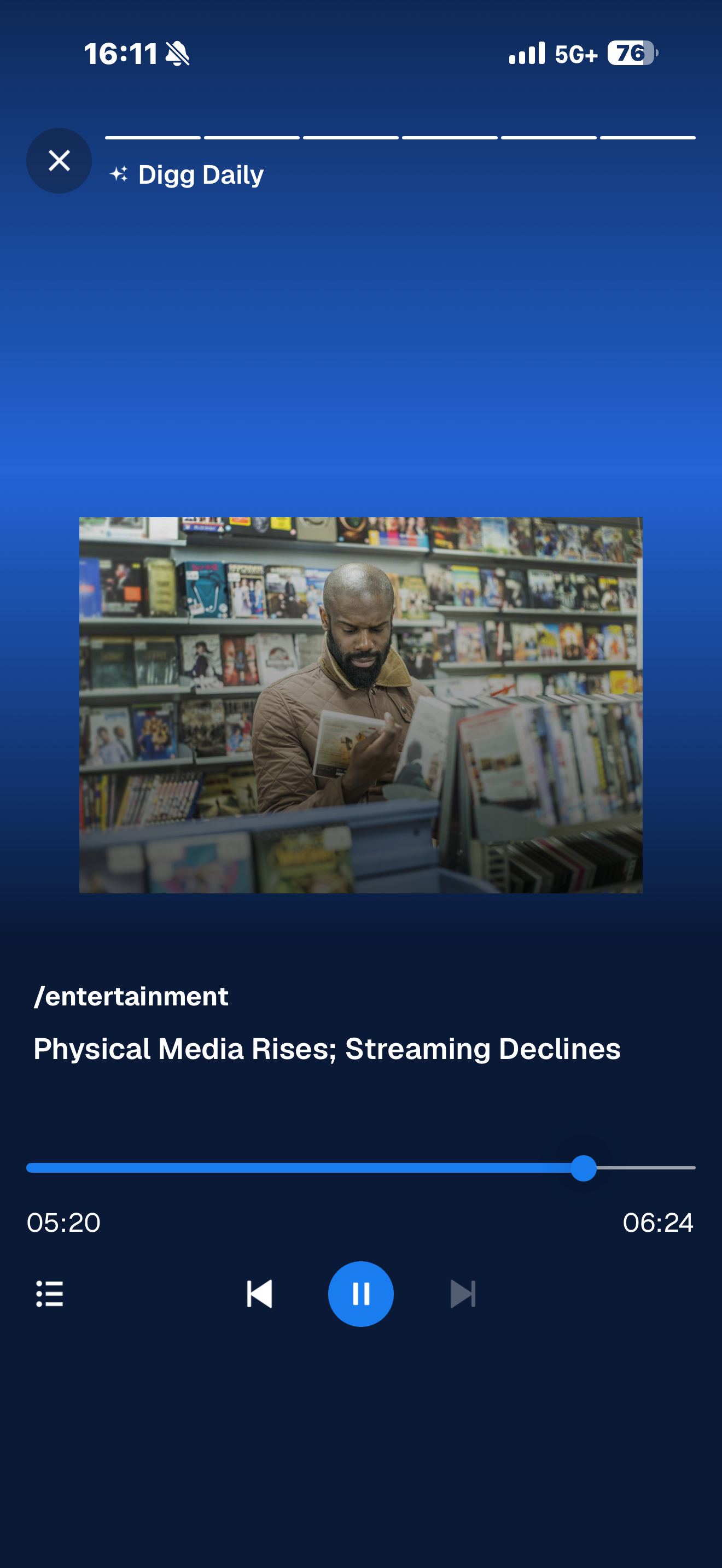
One of the features I’m enjoying on the new Digg is Digg Daily. It’s essentially an AI-generated summary of the latest posts, news, and comments being shared and discussed on the platform. Not only does it tell you what each article is about, but it also highlights the comments users are posting. All of this is delivered in audio format between two AI hosts.
If you’ve used Google’s NotebookLM and had it create an audio digest, then you know exactly what I’m talking about. It’s basically a male and female AI-generated voice giving you the highlights of what’s trending on Digg at the moment. It’s pretty shallow, but it’s meant to be just that: a quick audio podcast of sorts to catch you up on the latest happenings on Digg. I like it, and I think it’s pretty cool.
I tried it this morning, and then I tried it again later in the evening, and it was the same content. So it really is a daily digest. It’s not updated throughout the day like some other services might be.
Years ago, I was an avid Digg user. Then it went away. After people learned to game the system, it became garbage for all practical purposes. I’m glad to say I finally got an invite to end the wait.
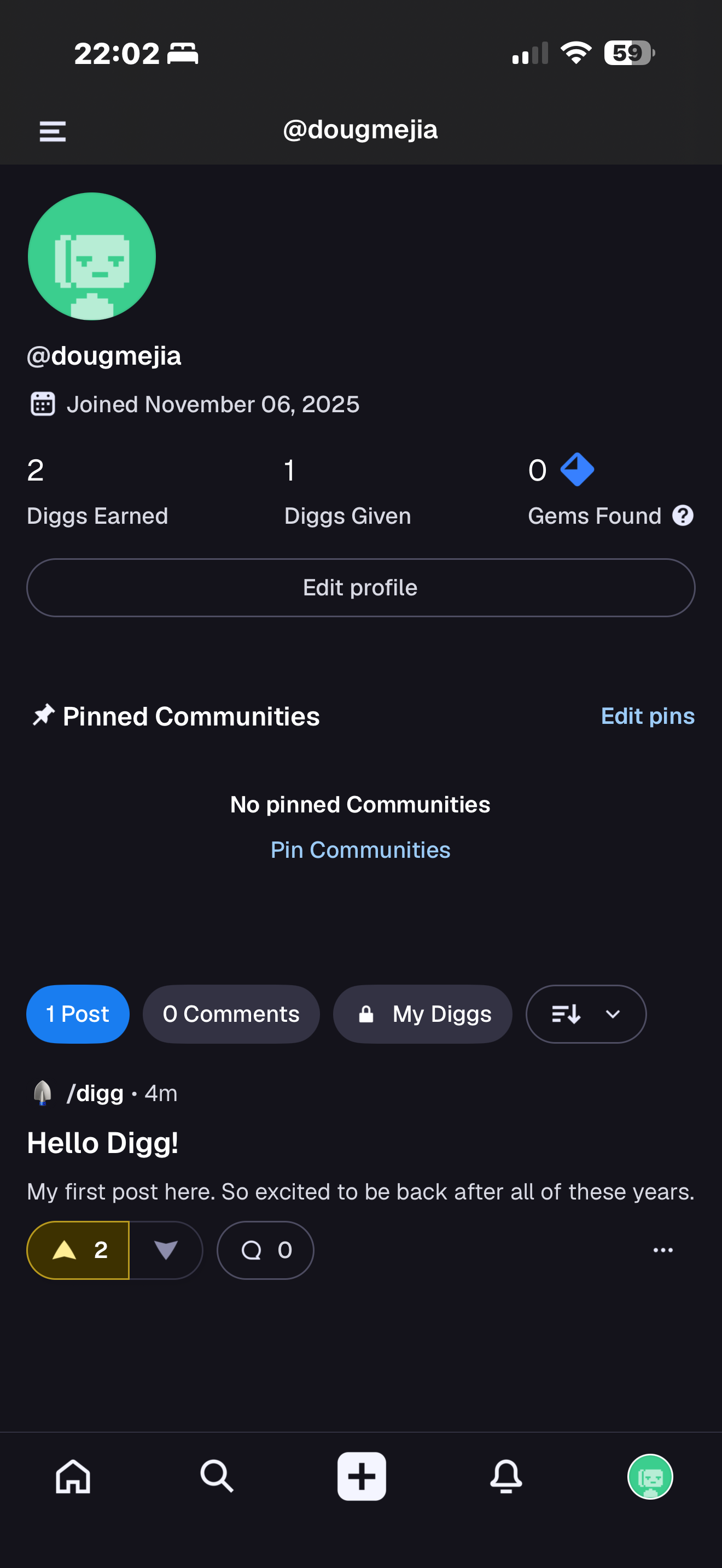
I signed up for the new Digg service yesterday. It’s still in beta (a closed beta at that), but it has a more modern and polished feel to the UI. The community seems to be picking up where it left off years ago. I have high hopes for it. I signed up right away and posted my obligatory “Hello world!” first post yesterday.
From the quick look I’ve had so far, it seems people are happy to be back, and they like the design because it’s nice and clean. I’ve seen two concerns emerge so far.
First, how is Digg going to verify that you’re 18 years or older? Right now, it’s just a button you click that says you are, in fact, 18 years or older. There’s no actual verification. The other concern is the infusion of AI into the system. Some people are wary, and others just plain don’t like it at all.
Let’s see how it evolves. It’s early days still, and they admit it. They want feedback, and they want people to “pick up a shovel and start building this thing.”
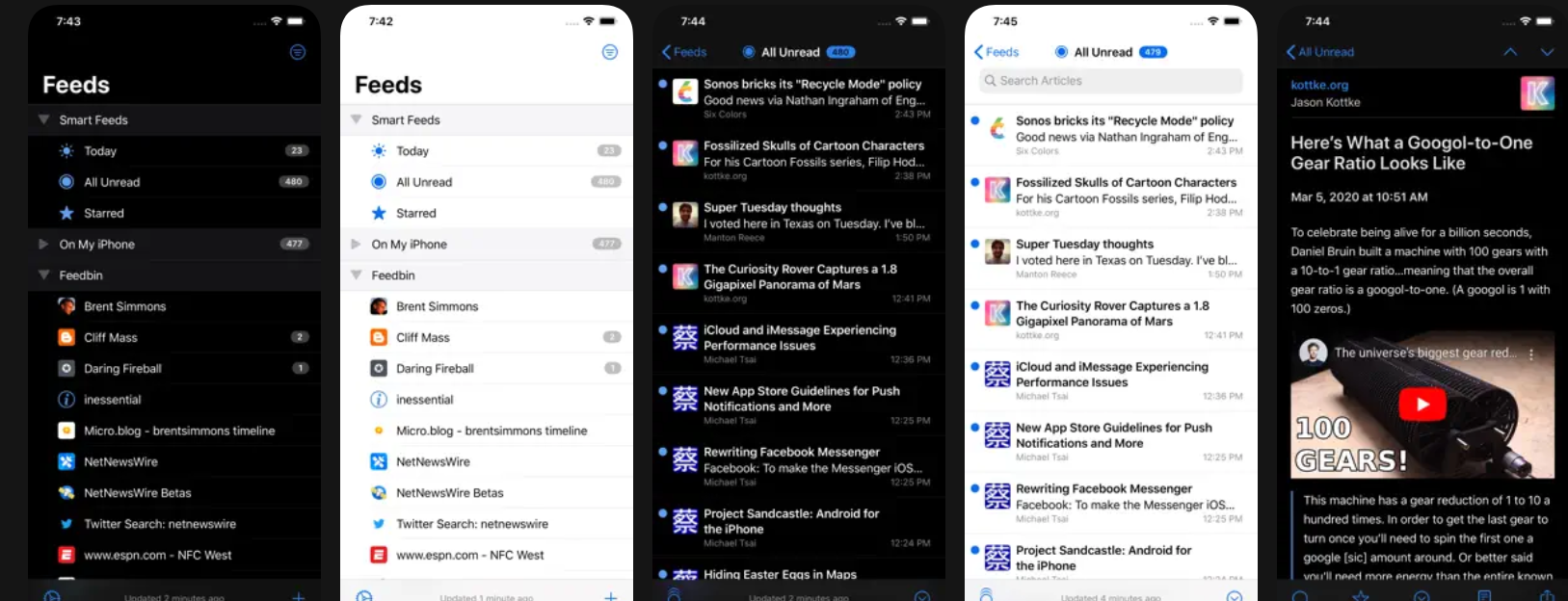
Of all the RSS reader apps I’ve tried on my iPhone and iPad, I love NetNewsWire the most. It’s been the most accessible option for me since I use VoiceOver to have it read article titles and content aloud. Then version 6.2 came out.
The update includes a whole list of improvements in the changelog, which sound great. The most popular addition seems to be Markdown support in RSS feeds. I don’t know why people are so excited about this feature, but it’s there. I’ll probably look into it more later.
However, in the meantime, the update has broken the app for me in some ways. I can still tap on something to hear the article title, and I can have it read the entire article once I double-tap to open it. But here’s the problem: I used to swipe three fingers from right to left on the screen to move to the next article. In this version, that gesture doesn’t work anymore.
Now I have to tap this tiny “next article” arrow in the top-right corner of the screen. It’s a really small target for me to hit, which delays the process and makes reading less comfortable. I hope the next update (hopefully coming very soon) will restore the three-finger swipe gesture for navigating to the following article.

Dragon’s Milk is a signature bourbon barrel-aged stout that delivers a complex flavor experience. With notes of coffee, vanilla, chocolate, and oak, it packs a punch at 11% ABV. Despite its bold, intense flavor, this beer goes down surprisingly smooth. The bourbon barrel aging adds depth and character, making each sip a rich, warming experience that’s perfect for savoring slowly.

Kodak Quietly Begins Directly Selling Kodak Gold and Ultramax Film Again
It is probably too soon to say how big of a deal this is, but it is at least exciting for people who are in the resurgent film photography hobby, who are desperate for any sign that companies are interested in launching new products, creating new types of film, or building more production capacity in an industry where film shortages and price increases have been the norm for a few years.
I remember back in the day when I was learning to shoot film. My parents would take me to the local drugstore where we’d buy Kodak Gold film. Man, that sentence makes me sound and feel so old. Anyway, those rolls came in either 24 or 36 exposures, and I had to make every single shot count. Once I’d finished a roll, we’d take it to Eckerd or whatever drugstore was nearby to get it developed.
Kodak has always held a special place in my heart, mainly because of nostalgia. After a decade away from direct sales, I’m thrilled they’re making a comeback.
iOS 26 gave AirPods Pro a new setting you might want to turn on - 9to5Mac
Sleep detection in iOS 26 pauses AirPods playback when you fall asleep
I love my AirPods. I use them occasionally throughout the day, but every night for sure. I like to listen to podcasts and audiobooks right before I fall asleep. Usually, I set a timer in case I drift off without noticing. However, sometimes I forget to set it, or I want to listen just a bit longer and end up falling asleep without stopping the audio.
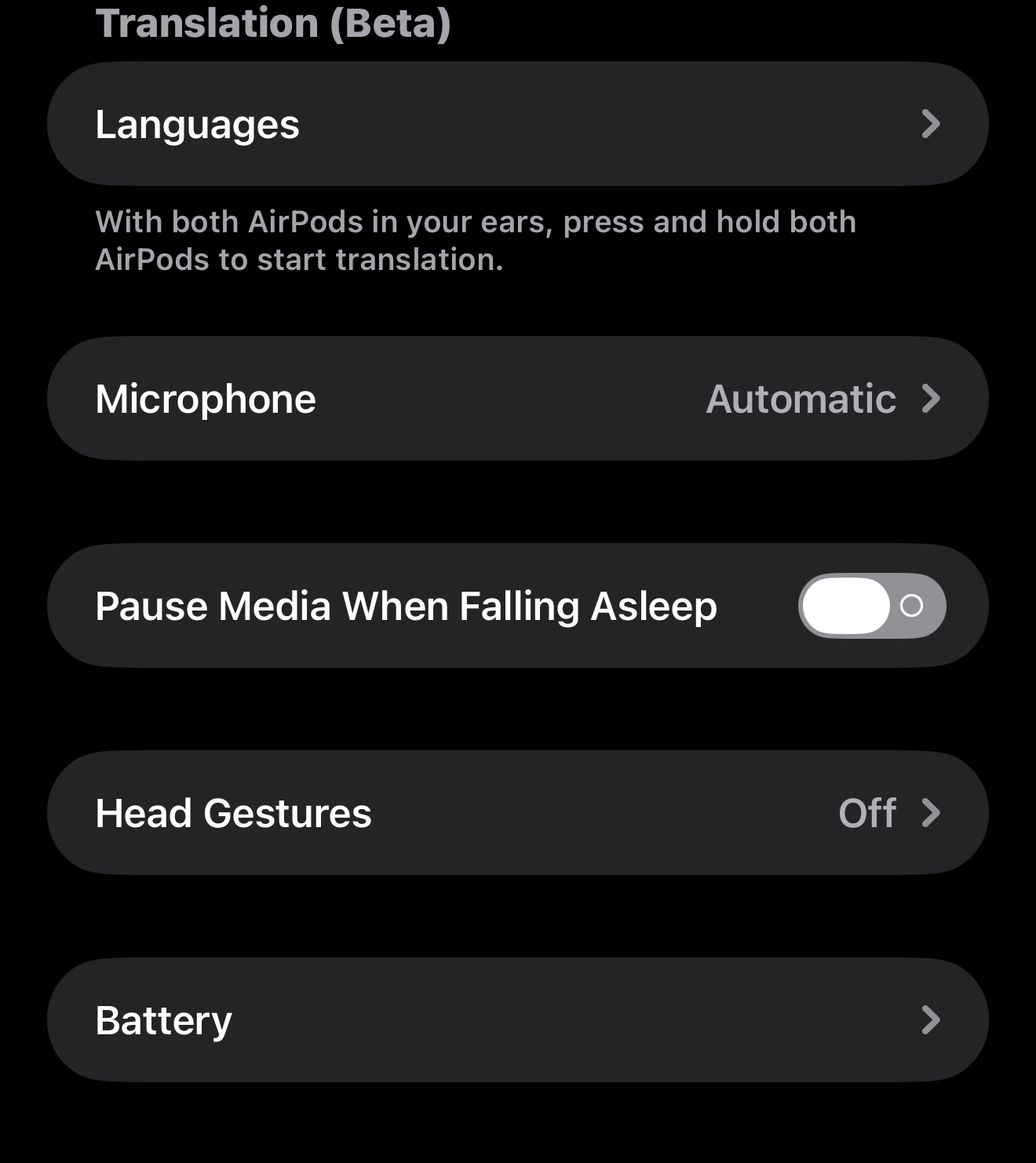
Well, apparently this is a common issue, because Apple has introduced a toggle in iOS settings to “Pause Media When Falling Asleep.” They don’t really tell us how they’re detecting when you fall asleep, but I hope it’s not using the Apple Watch’s sleep features because I really don’t like sleeping with my watch on.
This toggle appears in settings for those with AirPods Pro 2, AirPods Pro 3 and AirPods 4, but it is not on by default.